
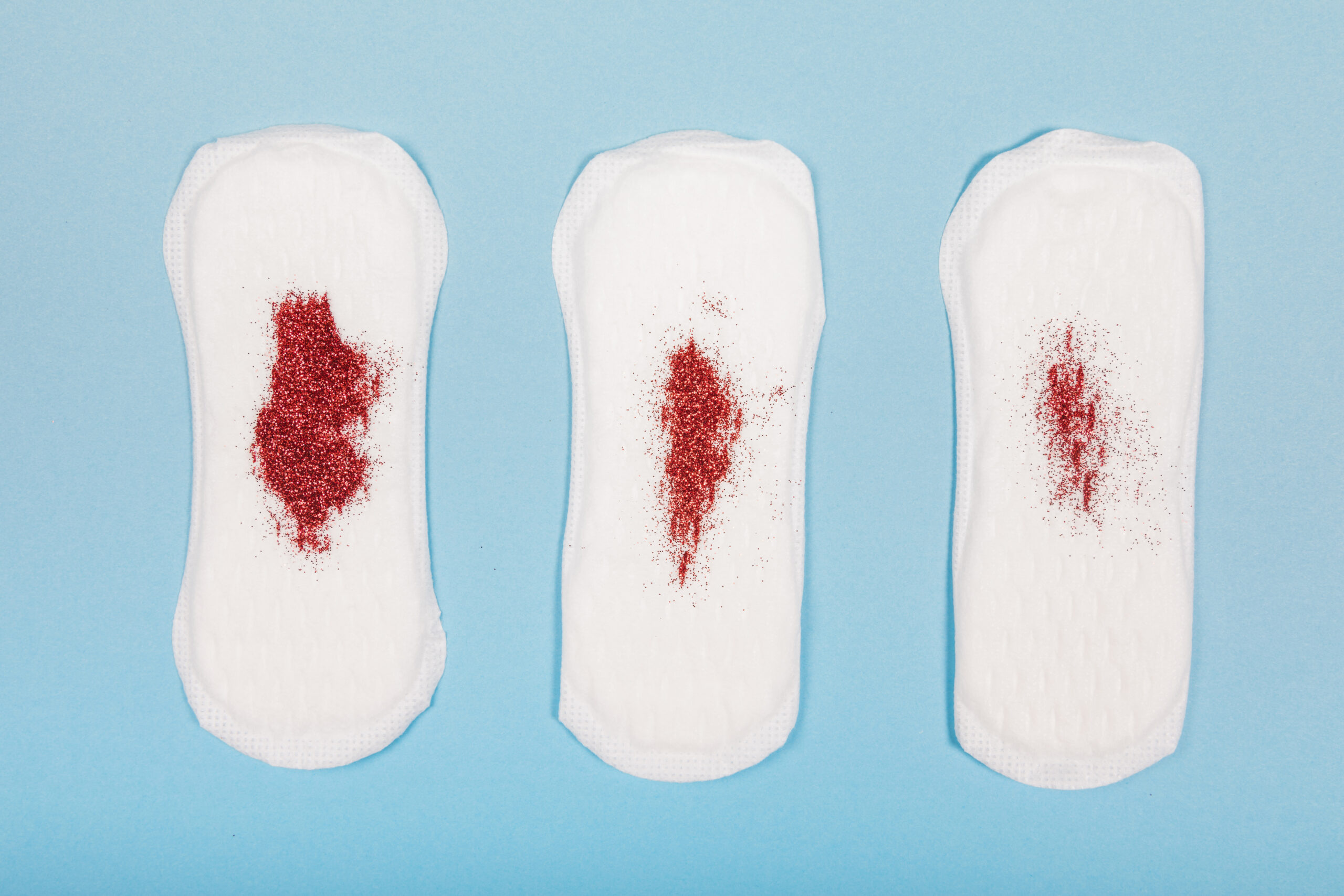
At Apregnant Me, we recognize the confusion surrounding early pregnancy symptoms and implantation bleeding—particularly when you experience unexpected spotting and question its significance. A frequent reason for light bleeding in the early stages of pregnancy is the slight spotting that occurs when a fertilized egg implants in the uterine lining. Let’s explore what this entails, the reasons behind it, and when it’s important to consult a healthcare professional.
What Is It?
Light bleeding happens when a fertilized egg embeds itself into the uterine lining. In this process, tiny blood vessels can rupture, leading to light spotting. This phenomenon is a typical and natural occurrence in the early stages of pregnancy.
When Does It Occur?

It usually happens:
- 6 to 12 days after ovulation
- Before the expected period
- About 1–2 weeks after conception
Because of this timing, many women mistake it for a light or early period.
Symptoms
Common signs include:
- Light spotting (pink or brown in color)
- Very light flow (no soaking of pads)
- Lasts a few hours to 2 days
- Mild or no cramps
- No blood clots
| Feature | Implantation Bleeding | Menstrual Period |
|---|---|---|
| Color | Pink or brown | Bright or dark red |
| Flow | Very light | Moderate to heavy |
| Duration | Few hours to 2 days | 3–7 days |
| Clots | No clots | Clots may appear |
| Pain | Mild or none | Moderate to strong cramps |
What Color Is It?
Implantation bleeding is usually:
- Light pink
- Brown
- Sometimes rust-colored
Bright red blood usually indicates menstrual bleeding, not implantation bleeding.
Can It Be Heavy?
No. Implantation bleeding is never heavy.
If bleeding is heavy, continuous, or accompanied by severe pain, it is not and medical attention is advised.
Does It Mean You Are Expecting?
Yes, implantation bleeding can be an early sign of pregnancy. However:
- Many women do not experience it
- Pregnancy can still be completely normal without implantation bleeding
When Should You Take a Pregnancy Test?
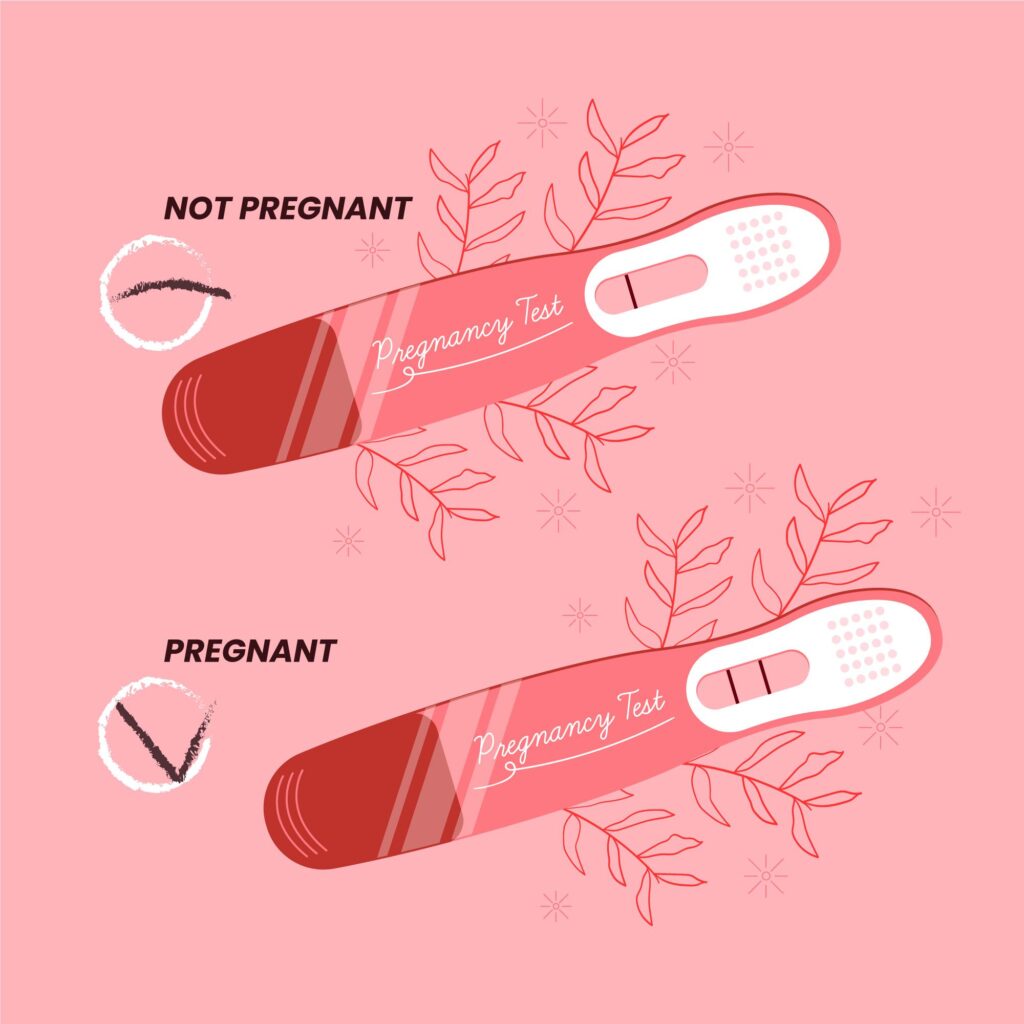
For best results:
- Take a pregnancy test 3–5 days after implantation bleeding, or
- After your missed period
This allows enough time for the hormone hCG to increase and be detected.
When to See a Doctor
Consult a doctor if you experience:
- Heavy bleeding
- Severe lower abdominal pain
- Dizziness or fainting
- Fever with bleeding
These symptoms may indicate other conditions and should not be ignored.
Frequently Asked Questions (FAQs)
Is implantation bleeding painful?
No, implantation bleeding usually causes little to no pain.
How long does implantation bleeding last?
It typically lasts from a few hours up to 48 hours.
Can implantation bleeding happen after a positive pregnancy test?
It usually happens before a positive test, but light spotting in early pregnancy can still be normal.
Can implantation bleeding have clots?
No, implantation bleeding does not contain clots.
Final Thoughts
It is a normal early pregnancy sign that happens when the fertilized egg attaches to the uterus. Understanding its timing, color, and flow can help you differentiate it from a period and reduce unnecessary stress. If you are unsure, a pregnancy test or doctor consultation is always the safest option.